
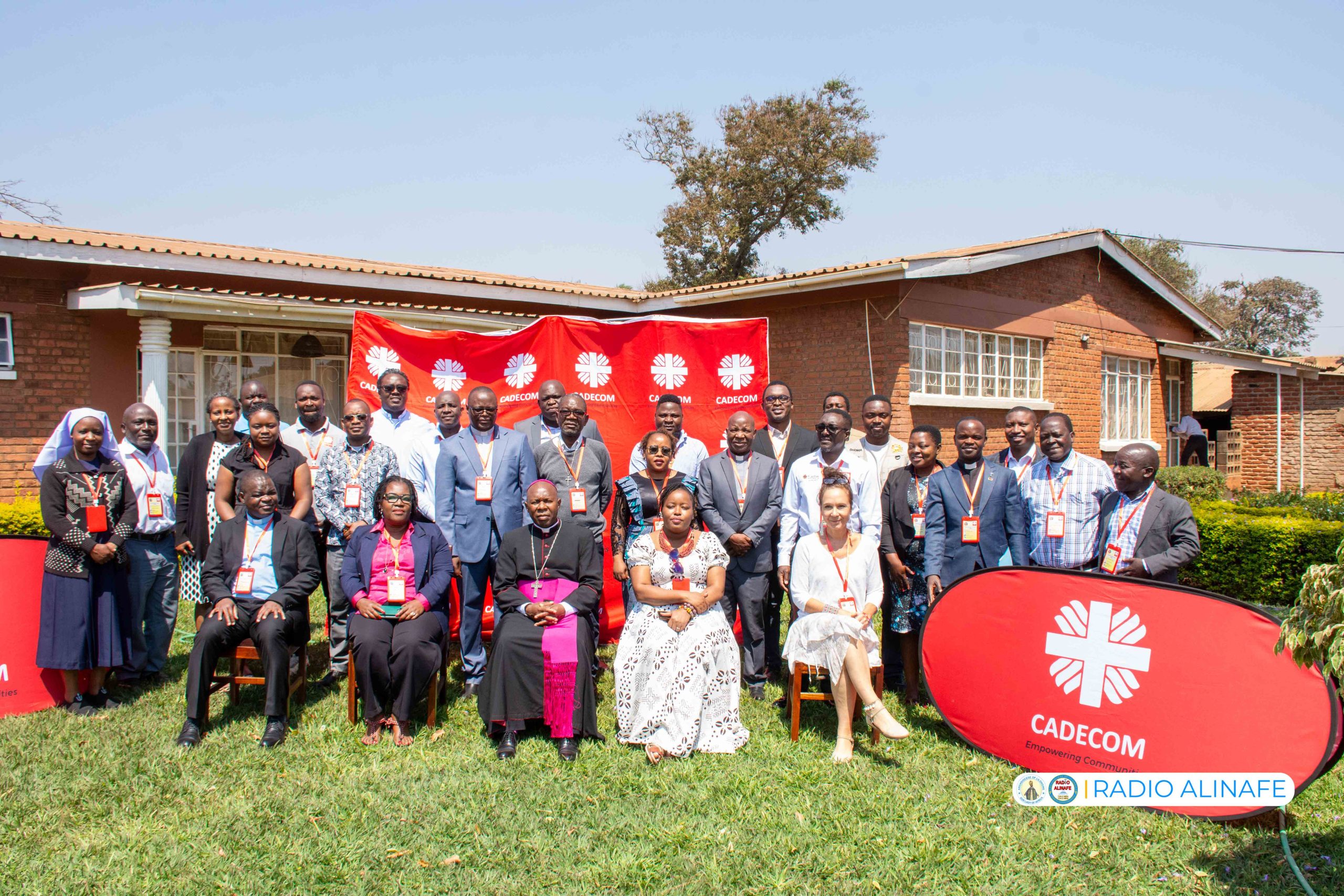
The Catholic Church in the country says the Caritas Malawi Country Forum will play a key role in strengthening the Church’s capacity to respond to disasters and prepare for future emergencies.


Speaking on behalf of the Caritas Malawi Chairperson at the Malawi Conference of the Catholic Bishops (MCCB), Bishop Vincent Mwakhwawa who is the bishop chairperson of the Catholic Secretariate said the meeting provides an opportunity to appreciate the support Caritas has rendered to the country, particularly during disasters, for more than four decades.

Bishop Mwakhwawa who is also the auxiliary bishop of the Catholic Archdiocese of Lilongwe, said Caritas organisations from Malawi and other countries have supported communities affected by successive disasters through the provision of tents, financial assistance and other forms of humanitarian support.
The bishop said the meeting is also important because it allows the Caritas family to assess the needs of communities that have benefited from humanitarian assistance while planning for potential future disasters.

“This meeting is important that they should also appreciate the situation that we are in Malawi… to also look ahead because we have this threat of El Niño coming in at the end of this year and next year.”
Bishop Mwakhwawa added that sharing experiences among Caritas organisations from different countries will help strengthen coordination and build the capacity needed to respond effectively to humanitarian needs in Malawi.
“It is a moment to share experiences because there are various countries, including the international office in Rome, that are here, that we share experiences and indeed help to strengthen the coordination efforts in order that we can respond in this time of disaster.”
Meanwhile Department of Disaster and Management Affairs (DoDMA), Disaster Preparedness Officer Brian Sikamale says early action is critical in reducing the impact of disasters and protecting communities before disasters strike.
Sikamale commended the efforts that the church is playing through Caritas in implementing anticipatory actions, allowing communities to take preventive measures before disasters occur.

“Before disasters hit us, we are able to do something so that we reduce the potential impact, so that people are safe before anything happens to them.”
He cited Mangochi District, where an anticipatory action protocol is being developed for the District Council with support from CADECOM.
“The funds will be supporting relocation of victims from the high-risk areas so that they go to safer places.”
Sikamale says unconditional cash assistance is particularly important because households have different ways of coping with disasters and are therefore able to identify the measures that are most suitable for them.
The Caritas Malawi forum has brought together representatives from Caritas Africa, the Caritas international office in Rome and neighbouring countries including Zambia, Zimbabwe, Tanzania and Eswatini to assess the situation in Malawi and strengthen coordination.