
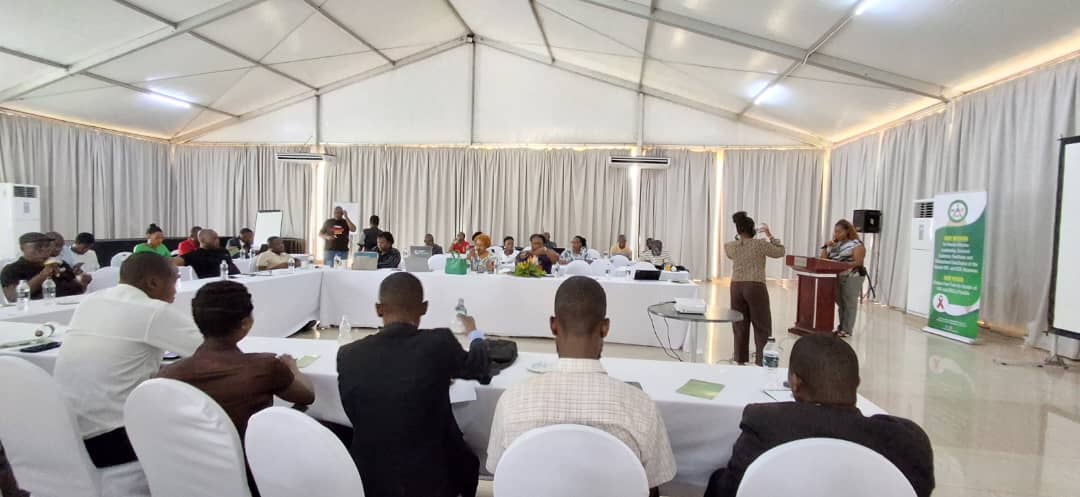
The National AIDS Commission (NAC) has described the media as a key partner in the country’s HIV response, stressing the importance of regular engagement with journalists to ensure communities have access to accurate and up-to-date information on HIV prevention, treatment and emerging innovations.
Speaking during a media engagement meeting in Lilongwe, NAC Acting Chief Executive Officer Dr Tione Chilambe said the HIV landscape continues to evolve, making it important for journalists to stay informed about new developments, including Pre-Exposure Prophylaxis (PrEP) and Lenacapavir.

She said the media has historically played a significant role in expanding access to HIV services by raising awareness about counselling, testing and treatment, thereby encouraging more people to seek care.
On Malawi’s progress in the fight against HIV, Chilambe said the country has made significant strides and achieved the 95-95-95 targets in many areas, bringing it closer to controlling the epidemic.

However, she identified early infant diagnosis as one of the major gaps in the national HIV response.
“We are still struggling with early infant diagnosis. Every child who has been exposed to HIV needs to be monitored and tested to ensure they remain HIV-free,” she said.
Chilambe also identified men, particularly those who are economically active, as another group that remains difficult to reach with HIV services, noting that many prioritise work commitments over visiting health facilities.
“We do not want to diagnose men when they are already very sick. The earlier we reach them, the earlier they can start treatment and achieve better health outcomes,” she said.

To address this challenge, NAC, in collaboration with the Ministry of Health, is implementing a Male Engagement Strategy aimed at increasing HIV testing and treatment uptake among men.
Chilambe further said targeted interventions are being implemented in urban areas under the Fast-Track Cities Initiative, which focuses on cities with high HIV burdens, including Lilongwe and Blantyre.
One of the approaches involves peer-based engagement, through which men are encouraged to mobilise their friends and social groups to access HIV testing and prevention services.
On HIV prevention, Chilambe said oral PrEP has already demonstrated positive results in reducing new infections among people at risk of contracting the virus.
NAC has since called on the media to intensify public awareness campaigns, particularly on early infant diagnosis and men’s participation in HIV services, to help address existing gaps in Malawi’s HIV response.
By Titus Jata Phiri