The Ministry of Health and Sanitation has urged journalists to play a stronger role in countering misinformation and ensuring communities receive accurate information ahead of the national measles-rubella supplementary vaccination campaign.
The five-day campaign, scheduled for September 21 to 25, 2026, targets at least 95 percent of an estimated 1.2 million children in seven areas—Blantyre, Lilongwe, Mzuzu, Nsanje, Dedza, Balaka and Kasungu.
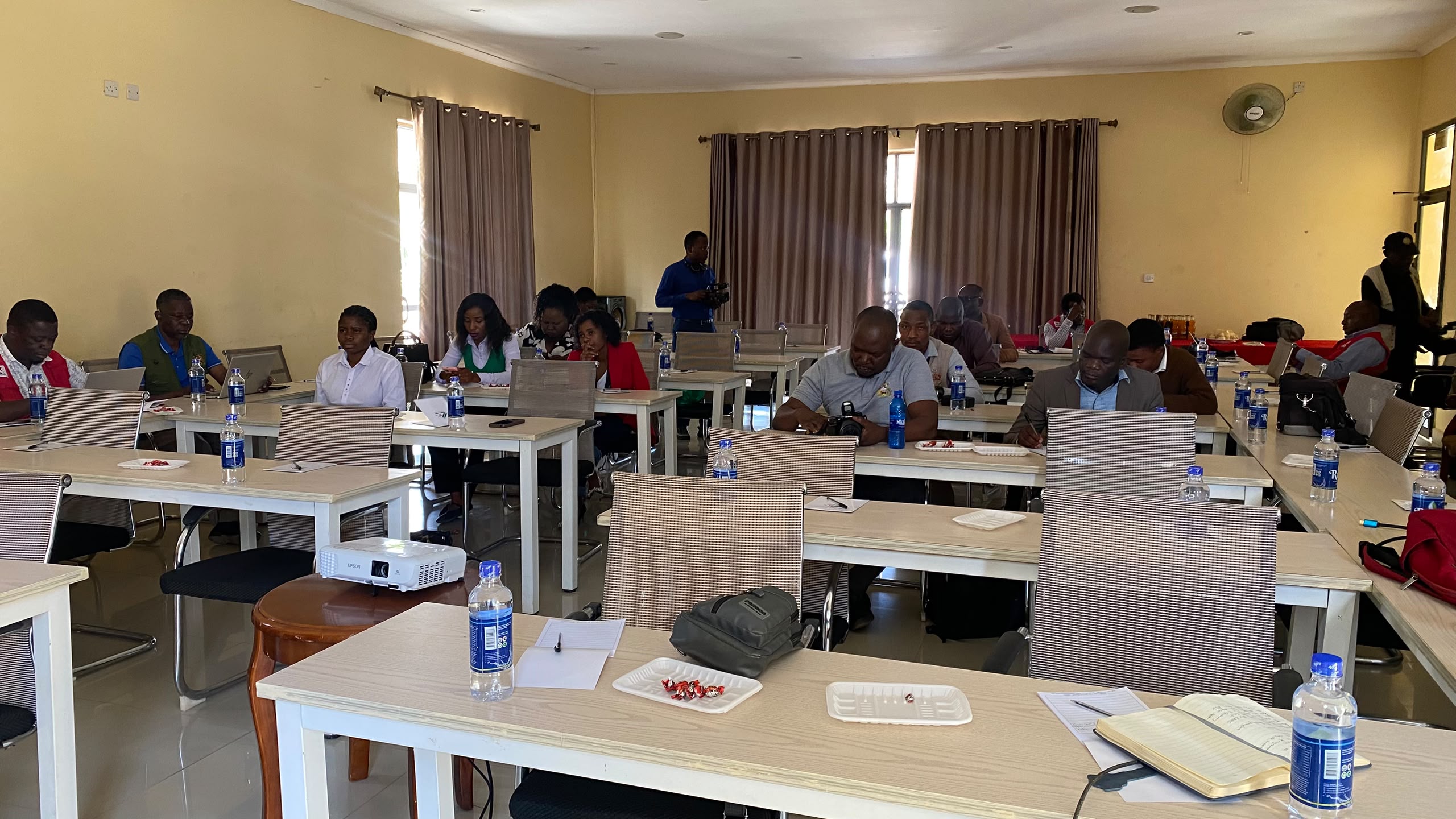
Speaking during a one-day media engagement in Mponela, Dowa, Deputy Programme Manager for the Expanded Programme on Immunization, Jane Dzoole, said the media has an important role in helping communities understand disease outbreaks and the importance of vaccination.

Dzoole said Malawi continues to record outbreaks of vaccine-preventable diseases, including measles, rubella and polio, as well as other public health threats such as cholera, placing additional social and economic pressure on families and communities.
Meanwhile, the Malawi Red Cross Society is intensifying community-level awareness ahead of the campaign.
Its Director of Programmes, Leonard Maganga, said the Society is training 1,300 volunteers and 150 community health workers who will supervise awareness activities.
Maganga said the initiative is expected to strengthen continuous community engagement and reach about 39,000 households across the targeted areas.

The media engagement covered measles and rubella, vaccination, outbreak reporting, and risk communication, with the aim of equipping journalists to provide credible information and address misinformation and disinformation that could undermine the campaign.
According to the Ministry of Health and Sanitation, Malawi had recorded 372 measles cases and one death by August 2026.
The Ministry is therefore calling on parents and caregivers in the targeted areas to ensure eligible children receive the measles-rubella vaccine during the campaign from September 21 to 25.
By Monica Chinyama Lipiya