The Catholic Archdiocese of Lilongwe has reaffirmed its commitment to improving people’s livelihoods through initiatives that promote both their physical and spiritual well-being.
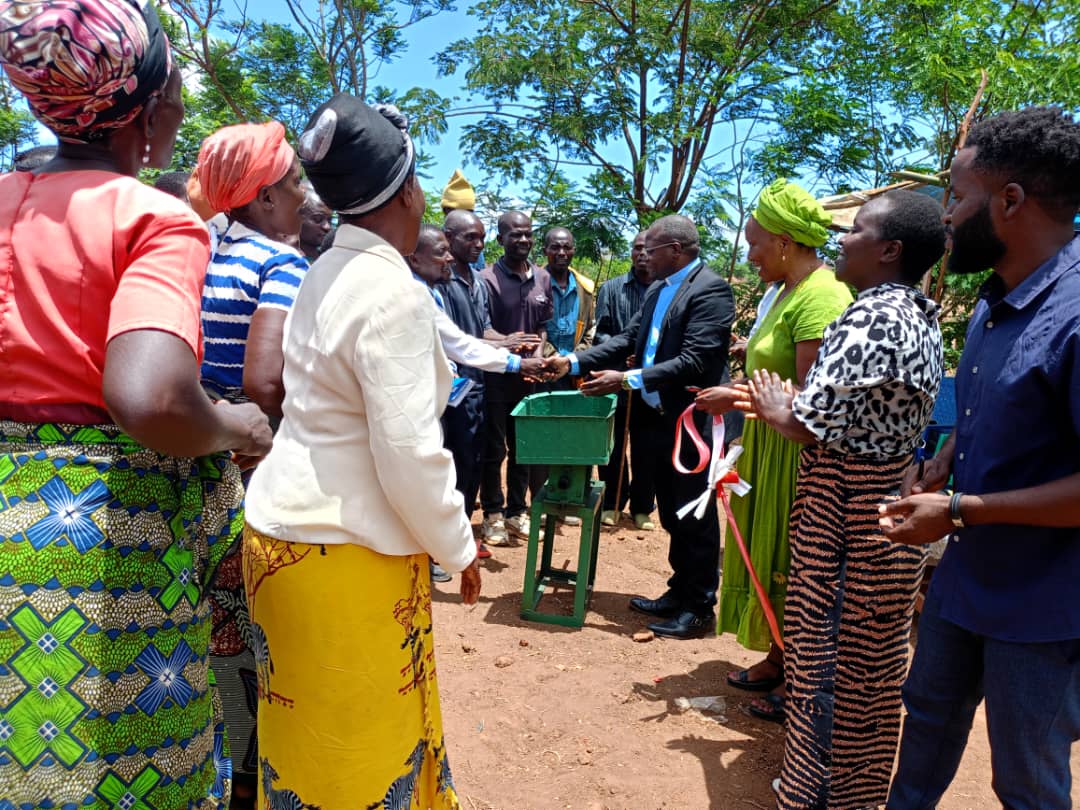
The Archdiocese’s Pastoral Coordinator, Father. Francis Bright Lekaleka, made the remarks today at the end of a two-day briquette-making training and handover ceremony for a briquette-making machine at Mwandauka Village in Traditional Authority Mponera, Dowa District.

Through its development arm, Tiwale Limodzi Foundation, and with financial support from Missio Munich, the Archdiocese is implementing the Rural Clean Energy and Green Energy Project, which seeks to equip communities with knowledge and skills in alternative sources of energy.

Fr. Lekaleka said the Church recognises the importance of economic empowerment, noting that people who are financially stable are better positioned to contribute meaningfully to the Church and their communities.
He therefore urged residents to fully embrace and support the project, saying it has the potential to transform their livelihoods.

“Let me urge them to work together with Tiwale Limodzi Foundation with the aim of transforming their lives,” he said.

Meanwhile, Tiwale Limodzi Foundation board member Lusungu Kacheche said the organisation is committed to ensuring the sustainability of the project through continued training and support for the beneficiaries.

Kacheche expressed confidence that the skills imparted during the training will enable participants to produce quality briquettes and improve their economic well-being.
“I am confident that, through the knowledge and skills imparted during this training, the participants will now be able to produce briquettes,” she said.
Group Village Head Mwandauka commended Tiwale Limodzi Foundation for introducing the initiative, saying it will help reduce dependence on firewood and, consequently, ease pressure on trees.

Mwandauka added that they will work closely with community members to ensure the project succeeds and contributes to improving their livelihoods while promoting environmental conservation.
By Peter Dumayo